Messaging has become an essential component of our everyday lives in today's fast-paced environment. During the last several decades, the way we interact has changed dramatically, from letters to emails to instant messaging. What does the future of communications hold as technology advances? This essay will look at the development of messaging, current trends, and what the future holds for this important part of communication.

Messaging's Significance in Our Lives
Before we go into the future of messaging, let us first comprehend its significance in our everyday lives. Messaging has evolved into an essential component of how we interact, both personally and professionally. We use messaging applications to communicate with loved ones, interact with coworkers, and even conduct business. With messaging applications growing more popular, it's critical to understand how they're changing and what the future holds.
Messaging's Evolution: From Letters to Instant Messaging
The way we communicate has changed dramatically throughout the years. Let's look at how messaging has changed over time, from mailing letters to utilizing instant messaging.
The Letters Age
People used to communicate mostly via letters in the past. Letters were slow and time-consuming to send, yet they were the only means to communicate across large distances. Individuals used to have to wait weeks or even months for a response to their letters.
The Telephone Era
Communication got quicker and more convenient with the development of the telephone. Individuals may now converse in real-time, making communication more efficient. Telephone communication, on the other hand, was confined to speech only and was costly.
The Email Era
The development of email changed the way we communicated forever. Email makes communication more efficient, accessible, and easy. People could send communications instantaneously using email, and the cost of communication was greatly lowered.
The Instant Messaging Era
The introduction of instant messaging applications revolutionized communication. Individuals could now instantaneously exchange messages, conduct audio and video chats, and even share files. Instant messaging has become an indispensable part of our everyday lives, and its popularity is only growing.
Messaging Trends Today
Let's look at the current message trends and how they are impacting the future of communication.
Messaging Powered by AI
Artificial intelligence has evolved into a critical component of communicating. Artificial intelligence-powered messaging applications can now read natural language, learn from user behavior, and provide tailored suggestions. AI-powered messaging is likely to change communication by making it more efficient and customized.
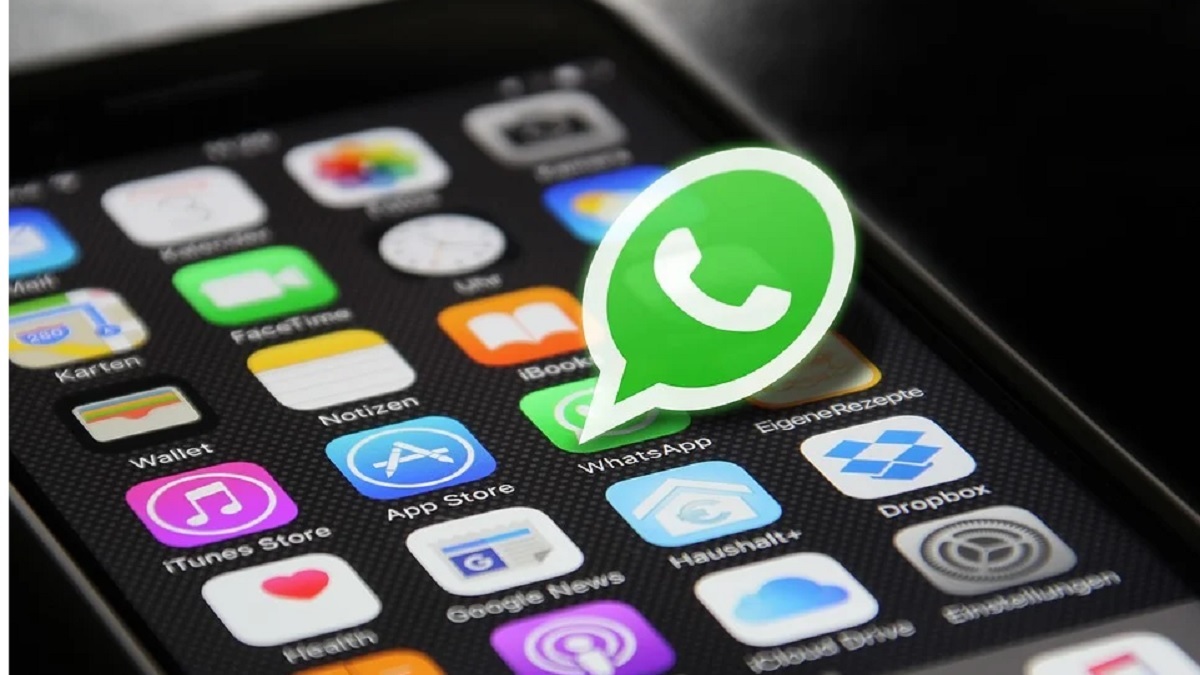
Message over Rich Media
Rich media messaging, which allows users to share photos, videos, and even GIFs, has grown in popularity. Rich media messaging has improved user experience by making messages more interesting and interactive.
Business Messaging
Messaging applications are no longer simply for personal communication; they are also critical for enterprises. Several companies now utilize messaging applications to engage with clients, offer customer assistance, and even perform transactions. Messaging for business is expected to grow in popularity in the future, altering how companies engage with their consumers.
What the Future Holds for Communications
So, what does the future of texting hold? Let us look at some of the trends that will define the future of communications.

Additional Services Integration
Messaging applications will become much more linked with other services like e-commerce and banking. Users will be able to complete transactions immediately inside messaging applications as a result of this integration, making chatting even easier.
Messaging as a Service
Messaging applications will evolve into platforms rather than merely a way of communication. Messaging systems will provide consumers with access to a broad variety of services, including shopping.